
Servo Motors

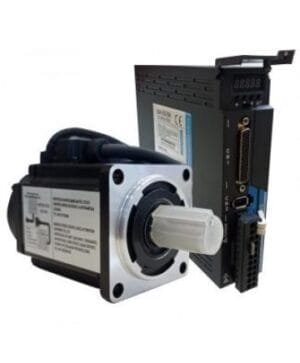

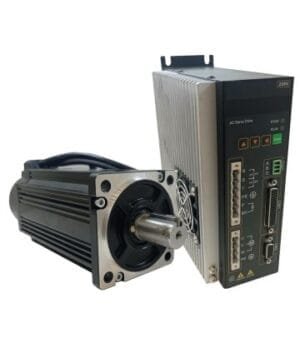
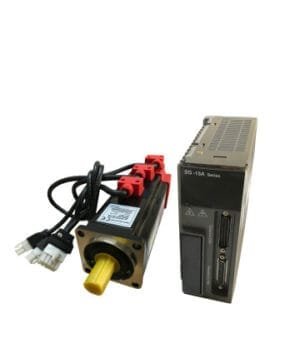
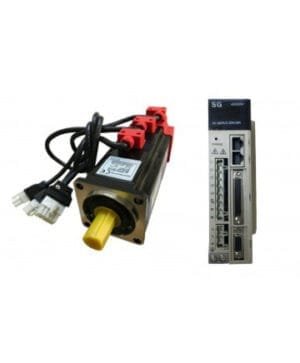

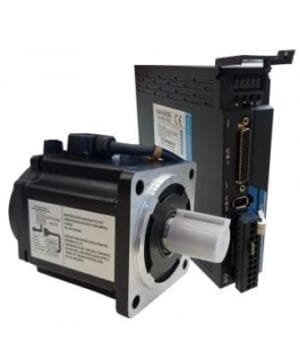
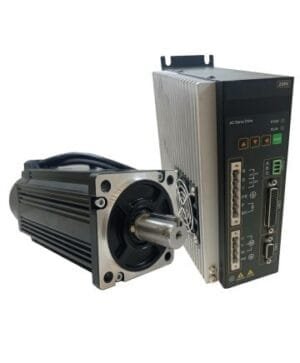


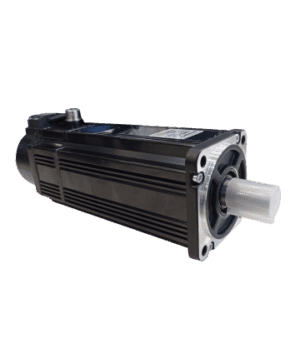


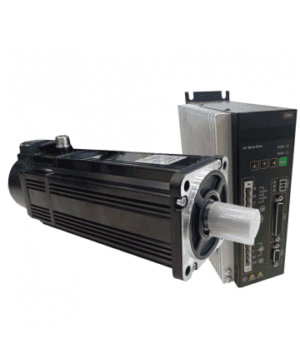

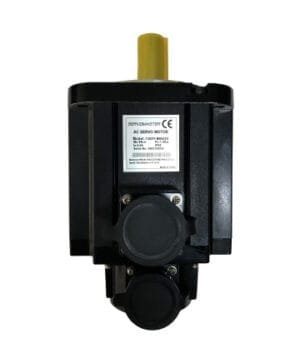


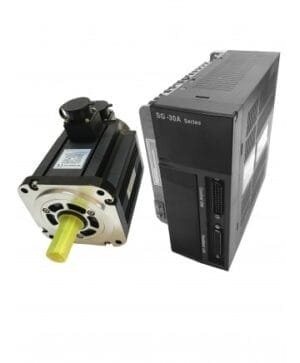
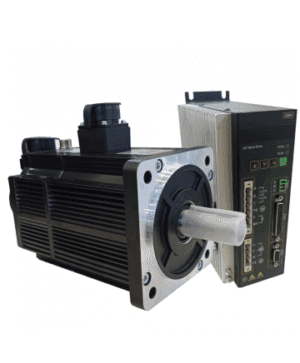

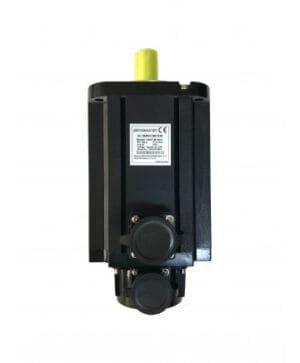


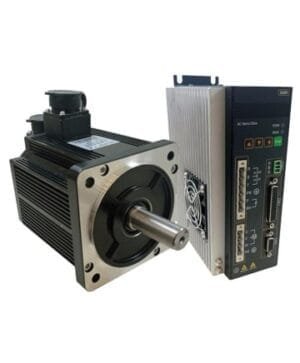
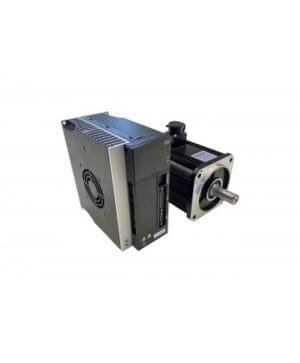
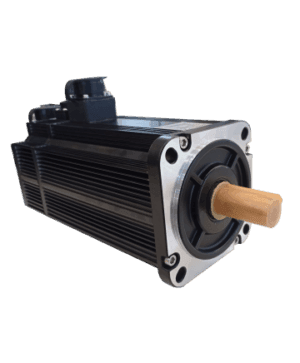
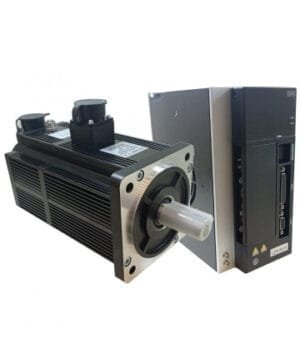
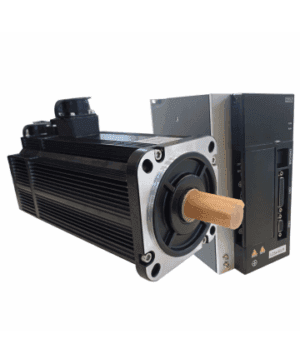
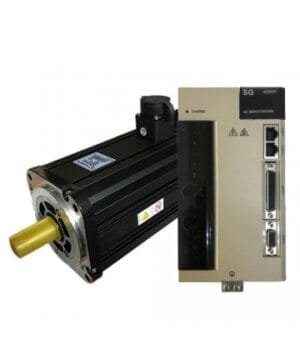
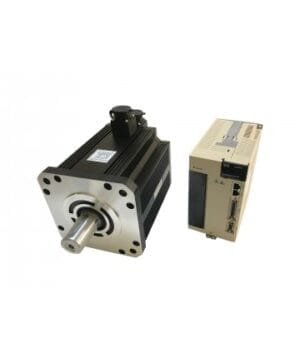
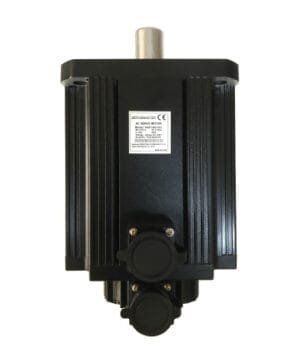
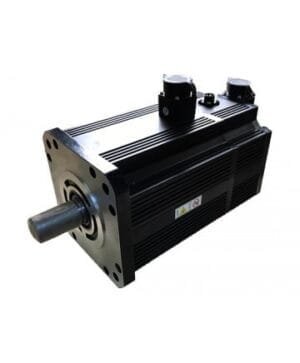

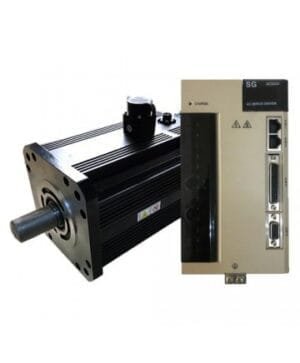
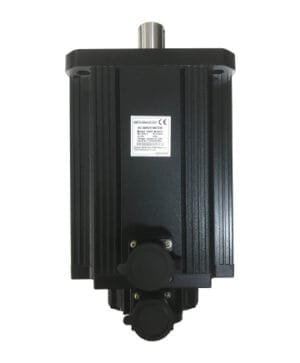
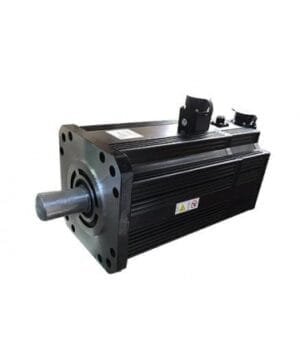
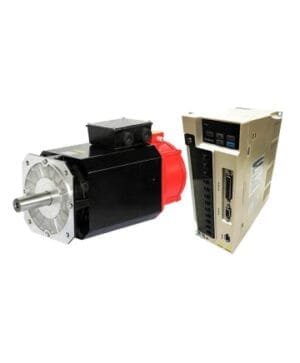
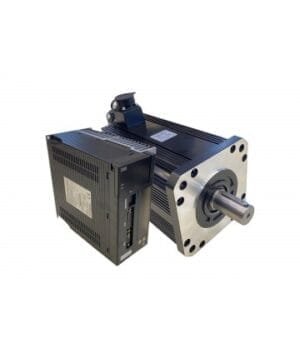
Industrial Servo Motor
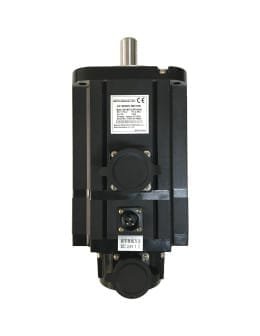
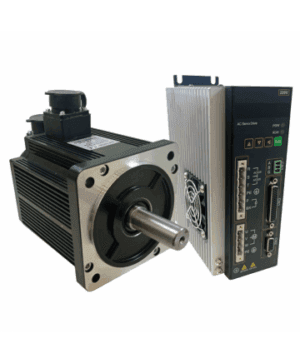
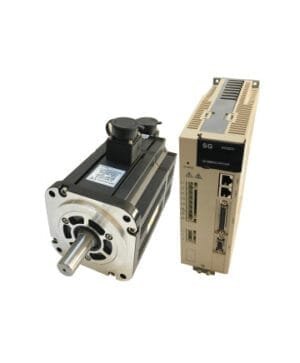
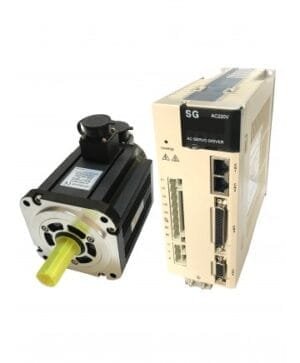
Servo motors are electric motors used to efficiently perform position and speed control. The internal structure of an industrial servo motor consists of a motor and a feedback unit. During operation, signals received from the feedback system are transmitted to the motor, allowing it to maintain precise control.
Frequently Asked Questions
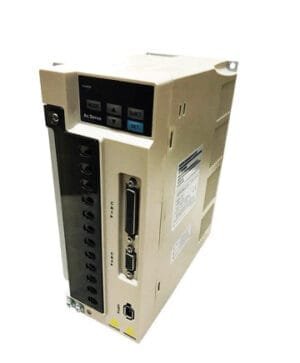
Servo motor drivers enable mechanical servo systems to move using signals that correspond to the reference values of the variables they display.
Servo motor drivers are divided into two types: DC servo motor drivers and AC servo motor drivers. DC servo motor drivers operate with direct current (DC). They are either analog or digital. These drivers are inexpensive and easy to use. AC servo motor drivers operate with alternating current (AC) and are also analog or digital. Their use requires expertise. Compared to DC drivers, they offer higher performance but are more expensive.
As mentioned earlier, servo motor drivers are fundamentally divided into two groups: DC (direct current) servo drivers and AC (alternating current) servo drivers. Hybrid servo motor drivers are another type of servo driver. The most prominent feature of hybrid servo drivers is their ability to prevent problems that may arise during motor operation. In the event of sudden power outages, such as power failures, hybrid servo drivers immediately detect the situation and send a warning to the motor. Upon receiving this warning, the servo motor stops working. In this way, the hybrid servo driver protects the servo motor from potential malfunctions caused by sudden power outages. You can find detailed information about hybrid servo drivers in our blog post "Prevent Power Outages with Hybrid Servo Drivers".
Servo motor drives have a very wide range of applications. They are widely used in many fields, from moving precision machine tools to medical devices. You can find detailed information about the application areas of servo motor drives here.
When purchasing a servo motor driver, attention should be paid to compatibility with the servo motor, driver specifications, feedback options, and torque speed. Detailed information can be found in the servo motor driver purchasing guide.
Servo motors cannot be operated without a driver. Therefore, for those using servo motors, servo motor driver settings are also important. Servo motor driver settings consist of position gain adjustment, driving technique, P-curve filter, torque control, and speed control device settings. You can find information about how to connect and configure servo motor drivers here.
It is beneficial to be familiar with the technical specifications of servo motors. This will allow you to choose the most suitable servo motor for your needs. When purchasing a servo motor driver, it is advantageous to choose models with high frequency and wide scanning range. In addition, long-lasting, metal-geared servo motor drivers should also be among your choices.

