
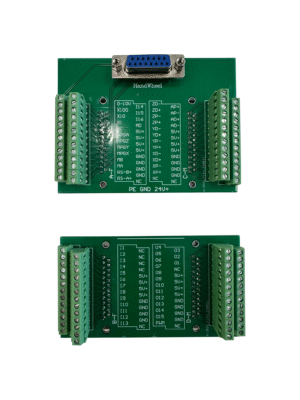
 I/O Card
 Subtotal: $1,00
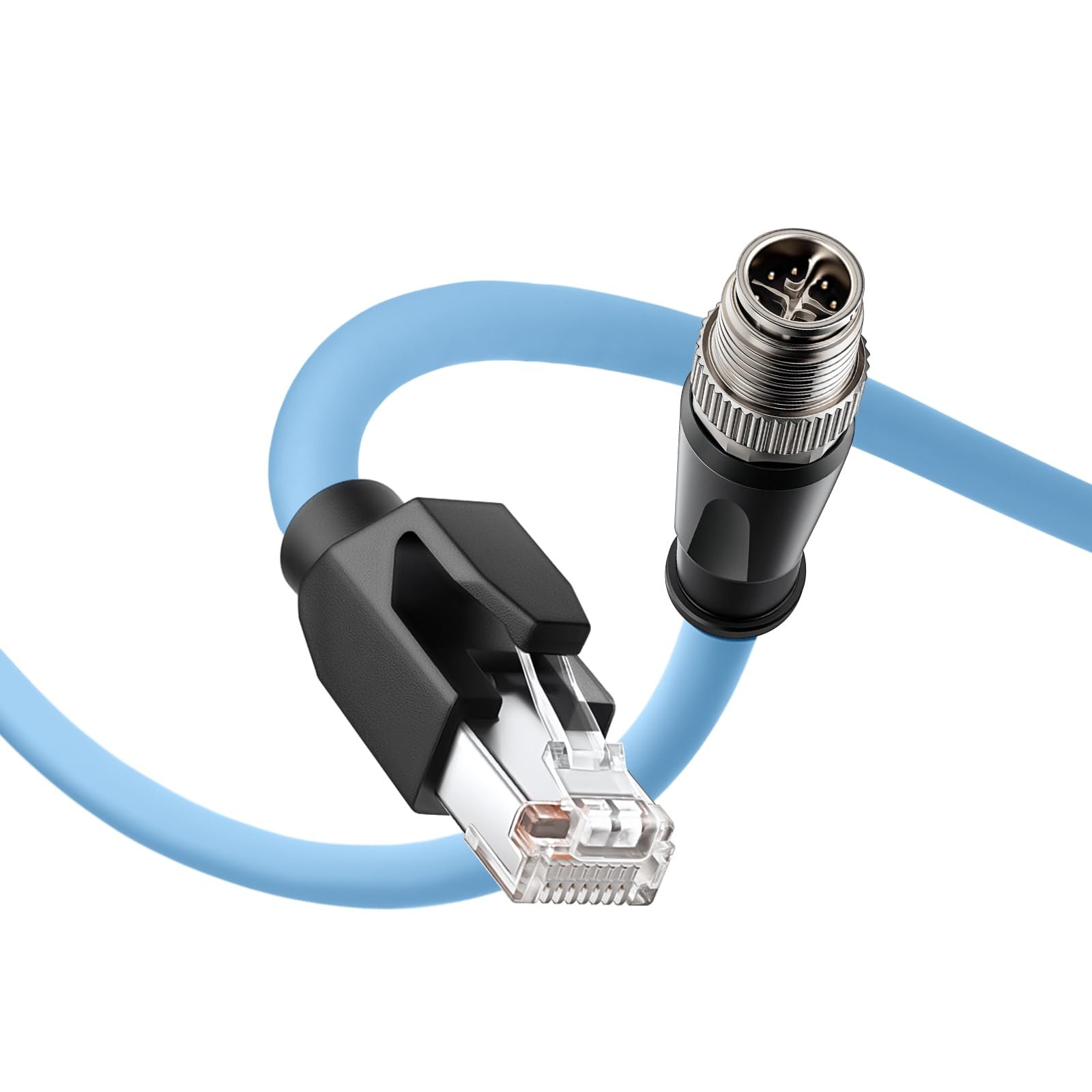
What Is an EtherCAT Cable (for Servo Motor Systems)?
An EtherCAT cable is an industrial Ethernet cable that enables high-speed communication between the control unit and the servo drive in servo motor systems. Servo motors do not operate directly via an EtherCAT cable; EtherCAT facilitates the real-time transmission of control data—such as speed, torque, and position—to the servo drive. This architecture is critical for synchronized and error-free motion control in multi-axis systems.
What Is an EtherCAT Cable (for Servo Motor Systems)?
An EtherCAT cable is an industrial Ethernet cable that enables high-speed communication between the control unit and the servo drive in servo motor systems.
Servo motors do not operate directly via an EtherCAT cable; EtherCAT facilitates the real-time transmission of control data—such as speed, torque, and position—to the servo drive.
This architecture is critical for synchronized and error-free motion control in multi-axis systems.
The Role of the EtherCAT Cable in Servo Motor Systems
In servo systems, an EtherCAT cable establishes a deterministic data flow between the controller (PLC or CNC control unit) and the servo drives.
By eliminating even millisecond-level delays, the servo motors are ensured to operate with high precision.
EtherCAT offers significant advantages over traditional communication protocols, particularly in applications that require synchronized axis motion.
Types of EtherCAT Cables Used in Servo Systems
1. Standard EtherCAT Servo Cable
It is suitable for fixed panels and short-distance connections. Thanks to its Cat5e or Cat6 construction, it supports high data transmission speeds.
2. Industrial-Grade EtherCAT Cable
In industrial environments where servo drives are used, it offers a design that is resistant to vibration and electromagnetic noise. It ensures long-term, stable communication.
3. EtherCAT Cable for Mobile Systems
It is used in robotic axes and servo-driven motion applications. Thanks to its high torsional strength, it operates reliably within the energy chain.
4. Shielded EtherCAT Cable
It provides extra protection against electromagnetic fields generated by servo drives and motors. It maintains signal integrity in applications that require precise positioning.
Where Is EtherCAT Cable Used?
EtherCAT cables are the preferred choice for all high-precision automation systems that use servo motors:
- CNC and Machine Tool Systems: Enables fast, synchronized data transmission between servo drives and the control unit.
- Multi-Axis Servo Systems: These systems enable multiple servo motors to operate simultaneously and in sync.
- Robotic Automation: Provides seamless, lag-free motion control for robotic arms and linear axes.
- Packaging and Production Lines: Minimizes timing errors on high-speed production lines.
What Should You Consider When Selecting an EtherCAT Cable for Servo Systems?
- Servo Drive and Control Unit Compatibility
- EMI/EMC protection (shielding)
- Need for stationary or mobile use
- Quality of industrial outer casings
EtherCAT Cable Prices
Prices for EtherCAT cables used in servo motor systems vary depending on the cable’s technical specifications, shielding level, and flexibility (flexible/rigid).
The Role of the EtherCAT Cable in Servo Motor Systems
In servo systems, the EtherCAT cable establishes a deterministic data flow between the controller (PLC or CNC control unit) and the servo drives. By eliminating even millisecond-level delays, it ensures that servo motors operate with high precision. EtherCAT offers significant advantages over traditional communication protocols, particularly in applications requiring synchronized axis movement.
Types of EtherCAT Cables Used in Servo Systems
Standard EtherCAT Servo Cable
It is suitable for fixed panels and short-distance connections. Thanks to its Cat5e or Cat6 construction, it supports high data transmission speeds.
Industrial-Grade EtherCAT Cable
In industrial environments where servo drives are used, it offers a design that is resistant to vibration and electromagnetic noise. It ensures long-term, stable communication.
EtherCAT Cable for Moving Systems
It is used in robotic axes and servo-driven motion applications. Thanks to its high torsional strength, it operates reliably within the energy chain.
Shielded EtherCAT Cable
It provides extra protection against electromagnetic fields generated by servo drives and motors. It maintains signal integrity in applications that require precise positioning.
EtherCAT Cable Prices (Servo Applications)
Prices for EtherCAT cables used in servo motor systems vary depending on the cable construction, shielding level, and flexibility.
Where Is EtherCAT Cable Used?
EtherCAT cables are the preferred choice for all high-precision automation systems that use servo motors:
CNC and Machine Tool Systems
It enables fast and synchronized data transmission between the servo drives and the control unit.
Multi-Axis Servo Systems
It enables multiple servo motors to operate simultaneously and in sync.
Robotic Automation
It provides seamless, lag-free motion control for robotic arms and linear axes.
Packaging and Production Lines
It minimizes timing errors on high-speed production lines.
Servo Sistemleri İçin EtherCAT Kablosu Seçerken Nelere Dikkat Etmelisiniz?
When selecting an EtherCAT cable for servo motor applications, the following criteria are important:
-
Servo Drive and Control Unit Compatibility
-
EMI/EMC protection (shielding)
-
Need for stationary or mobile use
-
Quality of industrial outer casings
Based on 0 reviews
Be the first to review “EtherCAT Cable”
You must be logged in to post a review.


There are no reviews yet.