
Stepper Motor


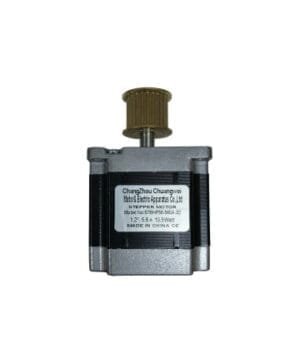

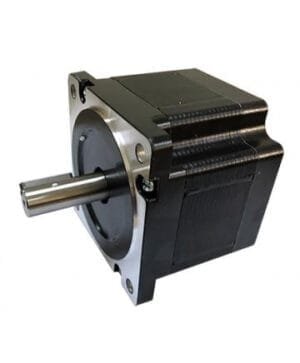

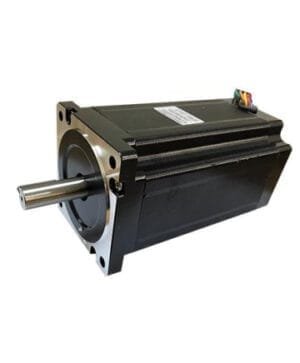
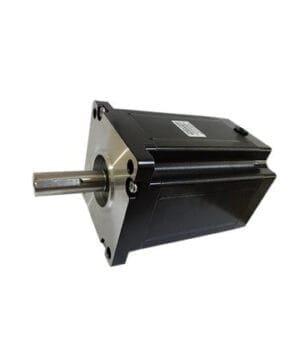


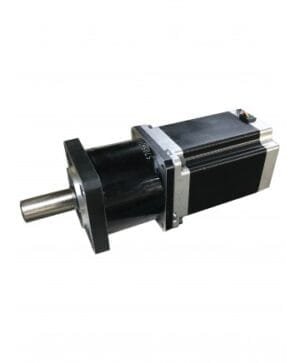


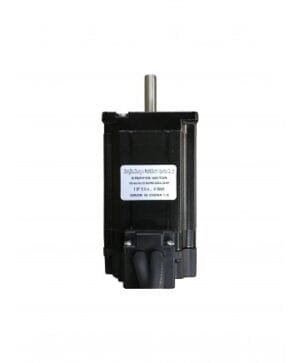


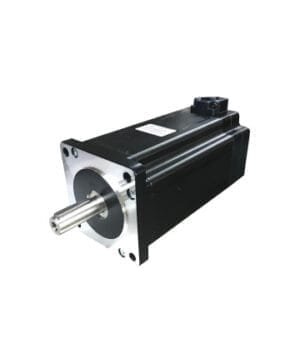
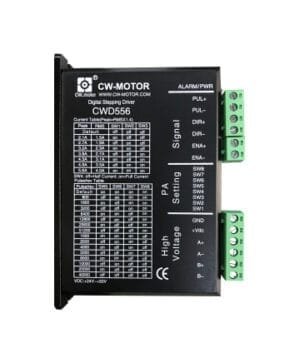
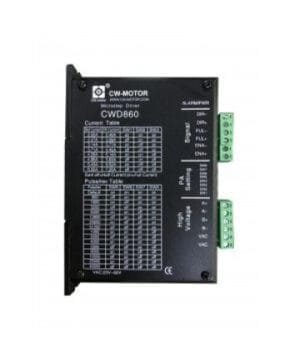
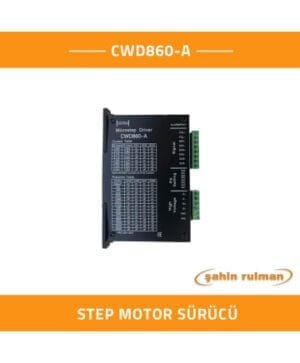
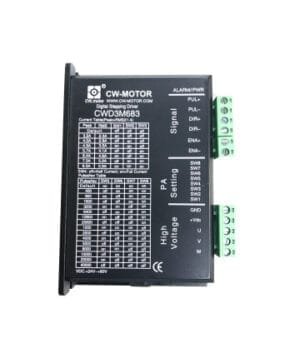




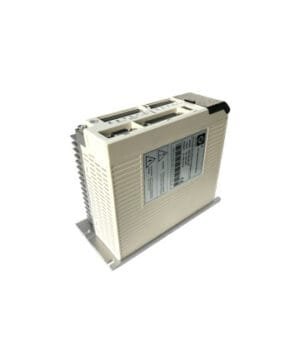
Stepper Motors
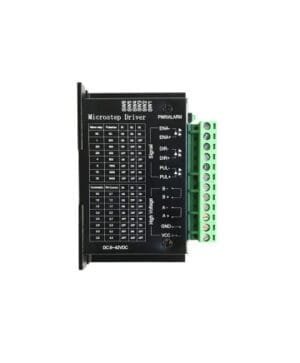
Stepper motors and drivers work together in systems requiring precise positioning, offering high efficiency and control. These systems, commonly preferred in industrial automation, CNC machines, and robotic applications, enable accurate step-by-step movement for maximum performance. On our website, stepper motor models with different torque and phase options are offered יחד with compatible drivers. With our pre-sales technical consultancy and after-sales support services, we provide professional solutions at every stage of your projects.
Frequently Asked Questions
Stepper motors are electromechanical devices that convert electrical energy into physical energy through rotational motion, and can change angular position in steps.
Stepper motor types vary depending on their internal structure. Stepper motors are classified as: Two-phase stepper motors, Unipolar stepper motors, Bipolar stepper motors, Permanent magnet stepper motors, Variable reluctance stepper motors, Single-piece, Multi-piece, Linear stepper motors, Hybrid stepper motors, and Hydraulic stepper motors. You can submit your questions about stepper motors or any related topic through our question and answer forum.
Encoder-equipped stepper motors are particularly preferred for addressing step-skipping issues. Their closed-loop system eliminates step-skipping problems. Furthermore, these motors provide signals indicating their rotational speed during operation. You can find detailed information about encoder-equipped stepper motors here.
The fundamental difference between servo motors and stepper motors lies in their different control mechanisms. Servo motors are necessary instead of stepper motors in applications requiring high power. Choosing between servo or stepper motors based on performance and power requirements will increase the efficiency of your work. You can learn more about the differences between stepper and servo motors in our blog post "What is the Difference Between a Servo Motor and a Stepper Motor?".
In recent years, especially with the development of microprocessor technologies and the increase in digitalization, stepper motors can be used in all projects requiring step control, regardless of size. Stepper motors are particularly used in areas such as: the food packaging industry, medical devices, CNC machines, printers, factory automation, plotters, and card readers. Preferred in many sectors for various purposes, stepper motors offer users many advantages. For example, they do not experience positional errors in their movement and can be operated many times without any defects. You can find detailed information about stepper motors in our blog post titled "What is a Stepper Motor? What are its Types? and How Does it Work?".
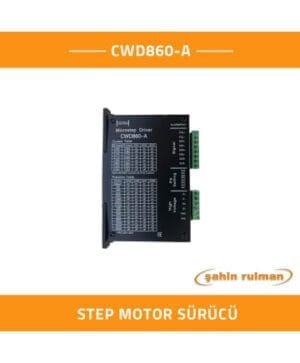
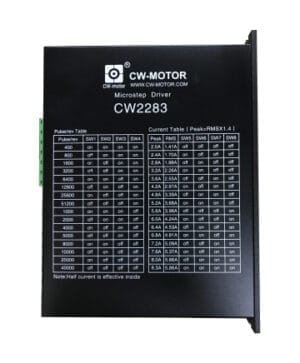
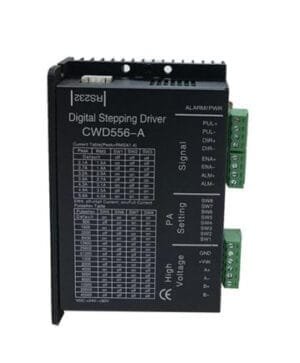
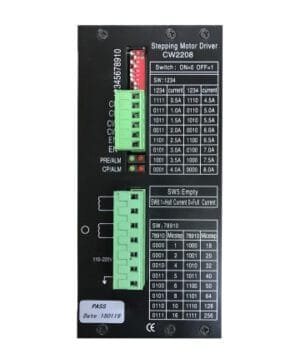
Stepper motor drivers are essential devices for controlling stepper motors. The choice of stepper motor driver varies depending on the power supply, driver board connection, and jumper settings. You can find detailed information in our blog post, "Stepper Motor Driver Selection and Jumper Settings". To choose a stepper motor driver suitable for your stepper motor, first determine which driver you need, then check its amperage compatibility and high voltage resistance. For detailed information, you can refer to our Stepper Motor Driver Buying Guide.
Stepper motors vary in price depending on their type, holding torque, NEMA rating, current, and flange size. You can find the stepper motor price list here.
Stepper motors operate in an open loop and rotate in specific steps; servo motors, on the other hand, use a feedback system for position verification. Stepper motors operate more stably at low speeds.
No, it won't work. Without a stepper motor driver, direct current signals cannot be sent to the motor, therefore the motor will not move or will operate uncontrollably.
A 2-phase stepper motor driver controls motors with two windings. It is ideal for small loads and simple automation systems.
3-phase stepper motor drivers are used in industrial systems requiring higher torque and smoother motion. They are preferred in systems carrying heavy loads.
It is usually controlled by “Pulse”, “Direction” and “Enable” signals. These signals determine the motor steps of the driver.
Standard models do not offer this protection. However, in encoder-equipped systems, the driver can regain position information when power is restored.

